
Core numbers & calculationsNumerology guide
Mulank 1 to 9: Traditional Themes, Strengths, and Questions
A balanced guide to Mulank 1–9: how the birth-day number is calculated, what traditions associate with each number, and how to use the themes without treating them as fixed personality facts.
The short answer
Start here
Mulank is commonly calculated from the calendar day of birth: reduce the day to one digit, while some traditions preserve 11 or 22. Practitioner sources attach themes to numbers 1–9, but wording varies and the calculation does not establish a person's character. Confirm the convention, then use a theme as a question to reflect on—not as a limit on what you can become.
Key takeaways
A common method reduces only the day of the month; it is not the full-date Life Path calculation.
Days 1–9 map directly; 10→1, 11→2 or 11, depending on the stated convention.
Traditional themes are prompts for self-reflection, not validated personality measures.
Use skills, preferences, and real experience for consequential choices.
On this page
Calculate the day number first
For a day-number approach, reduce the calendar day only: 14 becomes 1+4=5; 29 becomes 2+9=11 and may reduce again to 2 or be retained as 11 by some practitioners. There is no single universal master-number convention. This differs from a full birth-date calculation, which uses day, month, and year. Say which method you mean whenever you use “birth number.”
Common themes for numbers 1–9
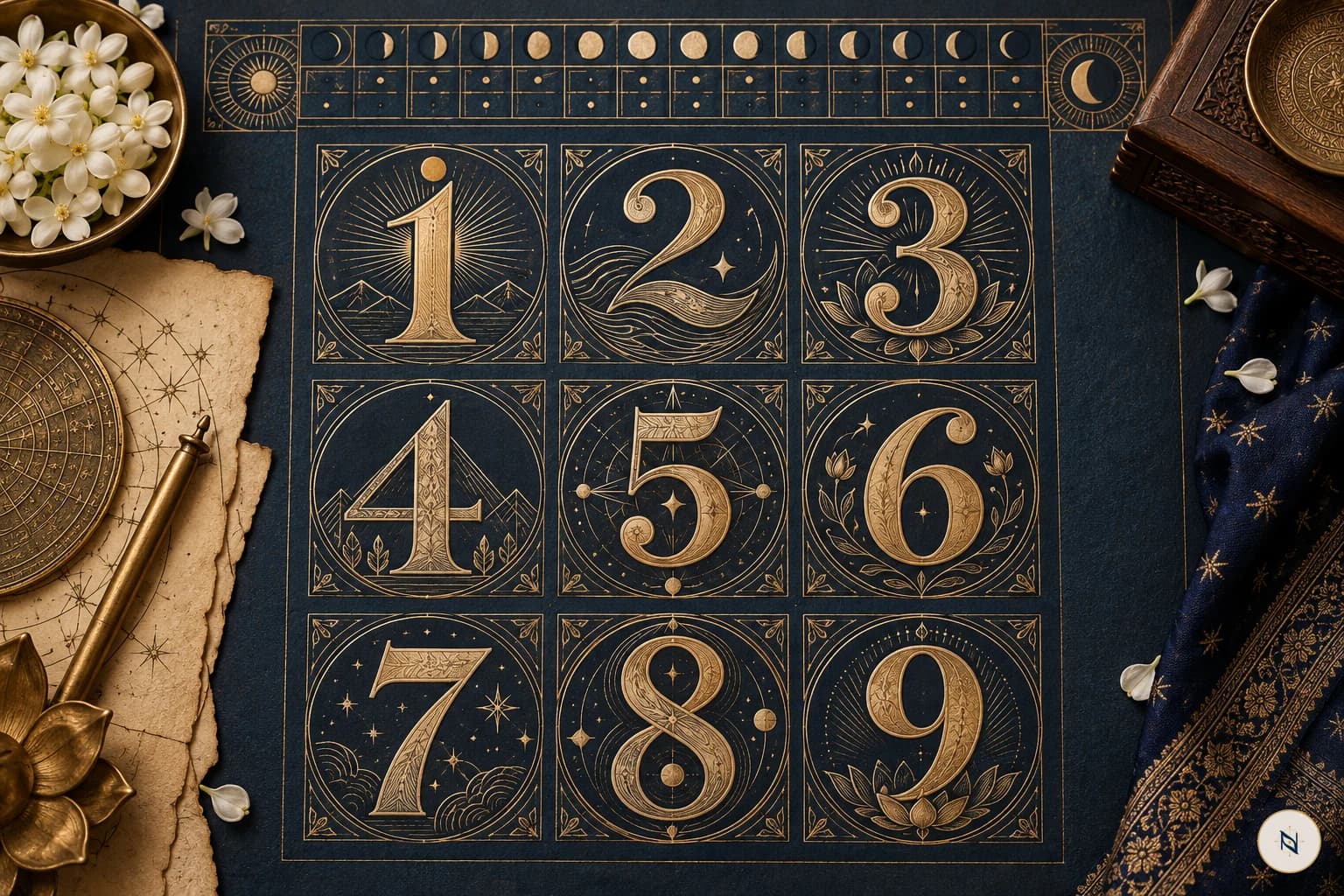
Traditions often associate 1 with initiative, 2 with cooperation, 3 with expression, 4 with structure, 5 with variety, 6 with care, 7 with inquiry, 8 with organization, and 9 with broad contribution. These are illustrative symbolic themes, not findings about every person with that number. Authors disagree, and a person may recognize none, some, or different qualities in themselves.
Turn a label into a useful prompt
Use a number as a conversation starter: “When do I take initiative?” or “What kind of structure helps me?” Compare those answers with lived experience, feedback, and goals. Do not use Mulank to decide someone's career, compatibility, trustworthiness, or future. If a reading feels restrictive, your actual choices and context matter more than the label.
- Calculate the day number and write the reduction step beside the result.
- Read a source that names its tradition, not an unattributed list of traits.
- Turn the theme into one practical question and test it against experience.
Method and limits
This guide describes the conventions stated above and the way Nuemero’s current calculator works. Numerology interpretations are traditional beliefs, not scientific predictions. Check a source’s method before applying its meanings.
Read Nuemero’s full methodQuick answers
Frequently asked questions
How is Mulank calculated?
A common method reduces the calendar day of birth to one digit. Some traditions preserve master numbers; state the rule you use.
Is Mulank the same as Life Path?
Usually not: Mulank commonly uses the day alone, while Life Path commonly uses the full birth date.
Do Mulank meanings predict personality?
No verified evidence establishes a person's character from a day-number calculation. Treat meanings as traditional symbolism.
Which career suits my Mulank?
A number cannot determine a suitable career. Compare real interests, skills, working conditions, and training options.
Read further
Sources and method notes
- Nuemero complete profile calculatorReview date-based numbers with each method labeled separately.
Sources document calculation conventions and claims made within their traditions. They are not evidence that numerology predicts real-world outcomes.

Core numbers & calculations·7 min
Life Path Numbers 1 to 9: Themes, Calculation, and Reflection
Explore traditional Life Path themes for 1–9, check how the full birth-date calculation works, and keep symbolic descriptions separate from claims about your future.
Read the guide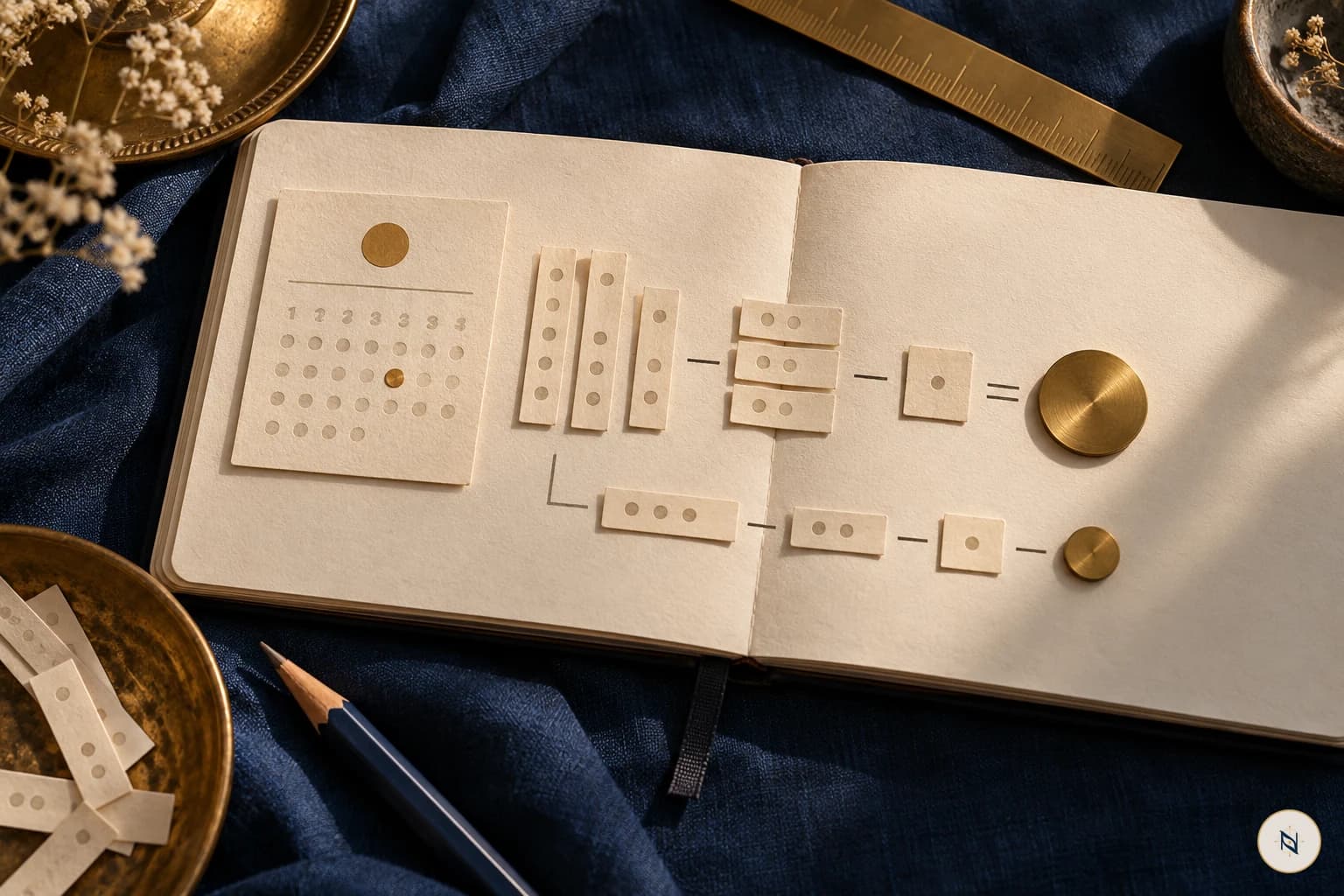
Core numbers & calculations·6 min
How to Calculate a Life Path Number (and Why Formulas Differ)
Calculate a Life Path number from a birth date, see every addition in a worked example, and learn how master-number conventions change the display.
Read the guide