
Core numbers & calculationsNumerology guide
What Makes a Life Path Number ‘Rare’ or ‘Lucky’? Define the Sample First
Learn why rarest-number claims change with the date range, population, and calculation rule, and why frequency does not establish luck or life outcomes.
The short answer
Start here
“Rarest Life Path” has no answer until someone defines the population, date range, calendar, and reduction rule. A tally of birthdays from one century or country can differ from another, and a formula that preserves master numbers will distribute results differently from one that reduces them. Rarity is a frequency claim, not evidence that a number is luckier, more valuable, or destined for a particular life. Ask for the data and exact method before trusting a ranking.
Key takeaways
A rarity claim needs a defined population, period, and calculation convention.
Preserving or reducing master numbers changes the tally.
Frequency does not establish luck, personality, or success.
Ask for raw counts and a reproducible method before accepting a ranking.
On this page
Define the population and time period
Define the question before counting. Are you comparing all calendar dates, actual births in a country, or visitors to one site? What years are included, which calendar is used, and how are leap days handled? A number can appear more or less often depending on these choices. Without a specified population and period, “rarest” is a headline, not a reproducible finding.
State every calculation choice
Then write the formula. Add every date digit or reduce month, day, and year separately? Keep 11, 22, or 33 at which stage? Use the same method for every date and publish the raw tally, sample dates, and code or steps. A result can be mathematically correct for that dataset while not representing a country's current births or every numerology school.
Keep frequency separate from luck
Finally separate “common” from “lucky.” Frequency only describes how often a result appeared in the selected sample. To claim luck or life outcomes, a study would need a defined outcome, appropriate comparison, and predictive test; a simple popularity chart cannot provide that. Do not choose a career, partner, or financial risk because a number is said to be rare.
- Ask who was counted and which formula was used.
- Check master-number handling before comparing published charts.
- Use your Life Path reading as reflection, not a ranking of your worth.
Method and limits
This guide describes the conventions stated above and the way Nuemero’s current calculator works. Numerology interpretations are traditional beliefs, not scientific predictions. Check a source’s method before applying its meanings.
Read Nuemero’s full methodQuick answers
Frequently asked questions
Which Life Path number is the rarest?
There is no universal answer without a specified population, year range, calendar, and reduction rule. Different samples can rank numbers differently.
Does a rare Life Path mean I am luckier or more special?
No. Frequency does not establish a person's worth, luck, or future. It only describes a defined sample under a chosen formula.
Read further
Sources and method notes
- Nuemero complete profile calculatorReview the formula used for one result; population-wide rarity requires separate, defined data.
Sources document calculation conventions and claims made within their traditions. They are not evidence that numerology predicts real-world outcomes.
Core numbers & calculations·6 min
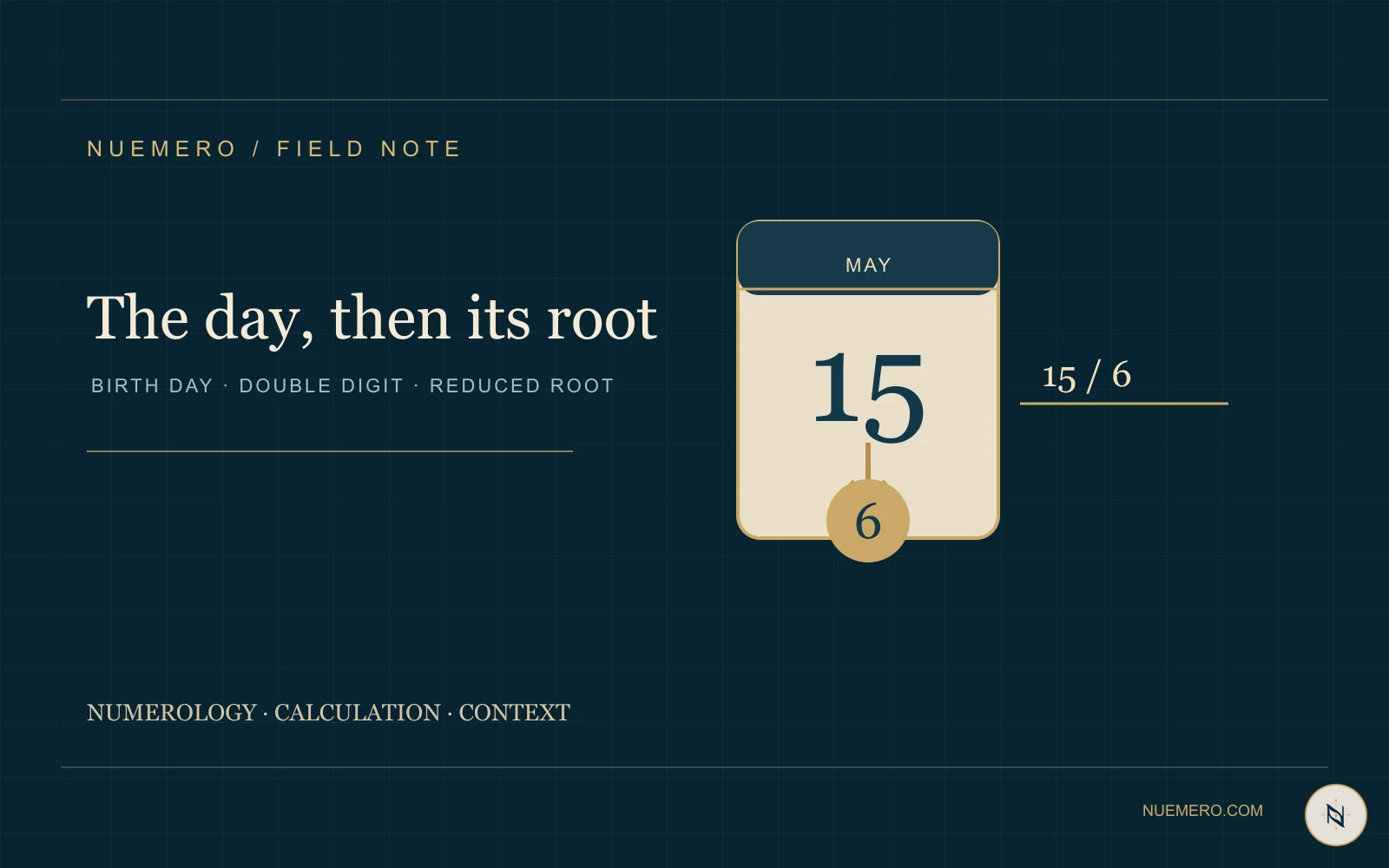
Birthday Number in Numerology: Keep the Day and Its Root
Calculate a Birthday Number from the day of birth, preserve its double-digit form beside the reduced digit, and see how one practitioner convention distinguishes it from Life Path.
Read the guide
Core numbers & calculations·6 min
How to Calculate a Life Path Number (and Why Formulas Differ)
Calculate a Life Path number from a birth date, see every addition in a worked example, and learn how master-number conventions change the display.
Read the guide